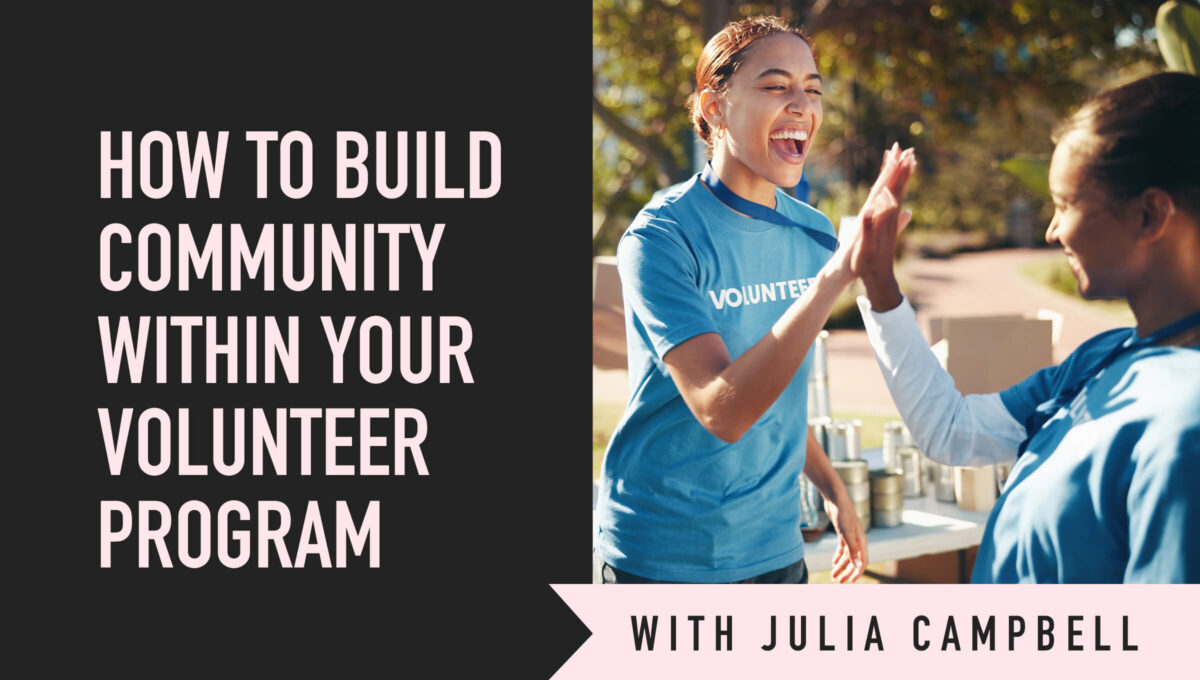
It’s no secret that your volunteers provide significant value to your organization. The question is, how can you make the volunteer experience as rewarding for them as it is for you? The answer lies in community-building efforts. When your volunteer management strategy makes supporters feel like members of a unified team rather than just sources of free labor, they’ll want to keep coming back to your organization time and time again.
Building strong interpersonal connections among volunteers fosters higher retention, deeper engagement, and a far more fulfilling experience for everyone involved. To help your organization make this shift, this guide will explore practical strategies for genuine community-building, from optimizing the initial onboarding process to leveraging digital platforms and sharing impact stories.
Establish an immediate connection during onboarding.
First impressions matter, which is why your organization needs to start establishing connections between supporters the moment an individual expresses an interest in joining your volunteer program.
One of the best ways to fold new volunteers into your community is to create a mentorship program. Assign each new volunteer to a buddy who has been involved with your organization for some time and serves in a similar capacity to the position they’re interested in. These experienced volunteers can show new volunteers the ropes and help them acclimate to their new role.
It’s also important to ensure the logistics of your onboarding process, like your training materials and your liability waivers, are easy to navigate and reinforce each volunteer’s decision to support your organization. Guided online courses can be especially helpful in allowing volunteers to work through their initial training systematically and at their own pace.
Leverage volunteer management software.
To create a thriving volunteer community, you need to be able to coordinate schedules and match communication preferences. Better Impact recommends using volunteer management software to streamline these logistics and enhance the volunteer experience.
Volunteer management software supports community-building through:
- Centralized messaging portals: Built-in communication tools allow coordinators to send timely updates and shift reminders, ensuring no one feels left out of the loop. Conversely, volunteers can also message their leaders, which encourages connection.
- Profile directories: A digital directory helps individuals learn about one another’s skills and professional backgrounds, facilitating organic networking before they even arrive on site.
- Self-scheduling autonomy: Allowing experienced participants to choose shifts that match their preferences demonstrates respect for their time and fosters a sense of ownership.
Make sure any volunteer-facing elements of your platform are accessible to all participants regardless of their technical proficiency. Offering a brief software tutorial during orientation prevents tech frustration and ensures everyone can fully participate in your program’s digital community.
Engage your community through social media channels.
If your volunteer program inspires community and connection during shifts but not beyond, that may be a sign that you need to up your digital engagement. Social media extends the program experience, allowing supporters to interact and stay connected throughout the week.
Maximize your digital engagement by implementing these social media strategies:
- Highlight individual contributions: Encourage coordinators to share weekly shoutouts or spotlights that recognize specific individuals and their unique efforts. This content makes volunteers feel valued and encourages supporters to celebrate each other’s wins.
- Encourage peer interaction: Sharing polls or asking for feedback online can spark meaningful conversations and build camaraderie among the group. For example, a church group might ask supporters what sorts of volunteer opportunities would be exciting for teens to participate in, increasing buy-in among a new demographic.
- Share behind-the-scenes content: Providing an exclusive look at daily operations or upcoming project preparations makes supporters feel like true insiders. As a result, they’ll form deeper connections with fellow volunteers and your staff.
As you establish your digital community, try asking volunteers to host takeovers where they share what a day in the life of a volunteer is like. This approach increases engagement and may inspire new supporters to start volunteering, too.
Communicate the impact of your volunteer program.
Supporters want to see the tangible results of their collective hard work. Sharing data analytics that demonstrate how volunteer work supports your overarching mission reinforces the value of their contributions and makes them feel more like a team.
Use these actionable methods to clearly communicate program outcomes:
- Tell success stories: Storytelling illustrates the direct, real-world difference your volunteer community is making, especially when you invite volunteers to share their own perspectives.
- Provide regular outcome reports: Circulating easy-to-read updates that quantify recent achievements—for example, if your food pantry served its 500th meal within the last quarter—helps team members understand their direct contribution to your organization’s mission.
- Host review sessions: Organizing periodic, informal gatherings to discuss recent accomplishments and share future goals allows everyone in your program to reflect and celebrate as a unified group.
UpMetrics’ guide to impact reporting suggests pairing hard data with specific anecdotes about the people or communities you’ve served. Combining quantitative metrics with qualitative human experiences creates a highly persuasive narrative that validates your volunteers’ hard work.
Foster continuous engagement through feedback.
Sustaining a healthy, vibrant community requires a commitment to two-way communication and consistent, authentic appreciation. When participants know their input matters, they become more invested in your organization’s success.
Implement regular surveys or informal check-ins to gather honest insights on the volunteer experience. Keep these surveys short and to the point to respect volunteers’ time. Ask questions about specific logistics (e.g., “On a scale of one to five, how easy is it to navigate our volunteer portal) and broader questions about the volunteer experience (e.g., “What inspired you to volunteer with our organization?”). Use this feedback to identify areas for structural improvement within the program.
By demonstrating a commitment to bettering the volunteer experience, you’ll retain volunteers longer and continuously improve your program.
Building a tight-knit volunteer community requires intentional onboarding, efficient software, active digital engagement and feedback collection, and transparent impact reporting. Investing in these relationships ultimately leads to a more resilient, motivated, and highly effective group of supporters. Focus on these foundational elements to transform your standard roster into a thriving, unified force for good.